
Why we built our own machines instead of importing a system
Buying a ready-made production line would have been easier. The story behind our decision to develop in-house, and how our line grew to 250 tonnes a month.
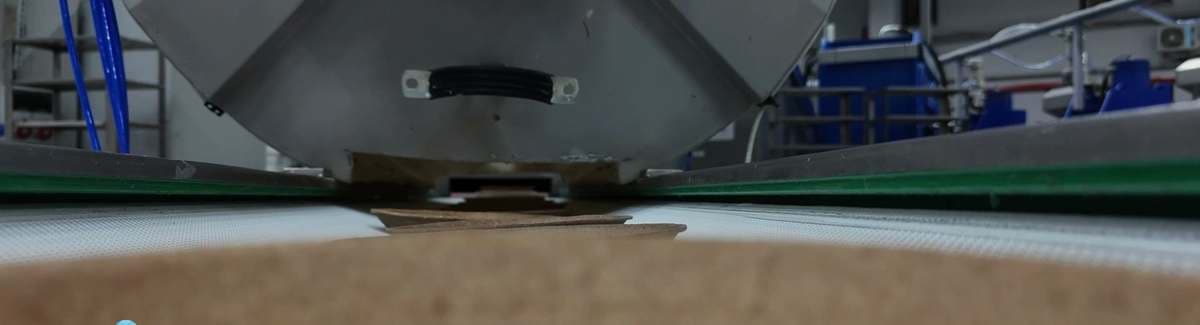
When we set out, we had two options. The first was easy: import a ready-made production line for biocomposite products, have it installed and start producing. The second was hard: build the method from scratch ourselves. We chose the hard one, and today we can see that this decision made us a manufacturer who develops methods rather than copies them.
Why an imported line didn't suit us
The ready-made systems on the market are designed around specific raw materials: mostly corn starch, sugarcane bagasse or bamboo fibre. Our material was different. Türkiye is the world's largest hazelnut producer; every year hundreds of thousands of tonnes of hazelnut shells are burned or thrown away. The same goes for olive stones, apricot stones, walnut shells and wood dust. Imported machines do not work efficiently with these hard, oily, fibrous materials — they either demand chemical binders or cannot process the material at all.
Using a chemical binder would have undermined the "returns to nature" claim from the start. If a plate is ninety percent natural and ten percent petroleum-based resin, it does not blend into the soil; it merely pollutes more slowly.
Developed on the factory floor, by trial
With our own engineering team we first set out to understand the raw material: at what moisture level does it mould, at what grinding fineness does it no longer need a binder, what should the temperature and pressure curve look like. Then, armed with this knowledge, we designed the machines: the cleaning and drying unit, the grinder, the granule line and the moulding press. Each went through dozens of prototypes and hundreds of failed mould trials.
“Because we did not buy the method from someone else, we can change the raw material, scale the product and improve the process a little more every month.”
Where are we today?
Our Dilovası facility runs at a capacity of 200–250 tonnes a month, turning out more than 1.5 million products monthly. We export to Japan, France and the United Kingdom. Thanks to the domestic line, when a new raw material arrives we do not replace the machine; we change the parameters. When a new product shape is requested we do not wait months for a supplier; we make the mould ourselves.
What's next?
Our R&D team is currently focused on two things: thinner-walled product forms that consume less raw material, and drying technology that will raise the energy efficiency of the line. Both are possible only because we develop in-house; making such changes on an imported line would have meant depending on the manufacturer.
We could have started faster with an imported system. But then we could not have processed hazelnut shells, could not have carried the zero-chemical claim, and could not keep improving the process the way we do today. Choosing the hard road was the right decision, because in the long run it was the only road.
Keep reading
 Usage
Usage Usage
Usage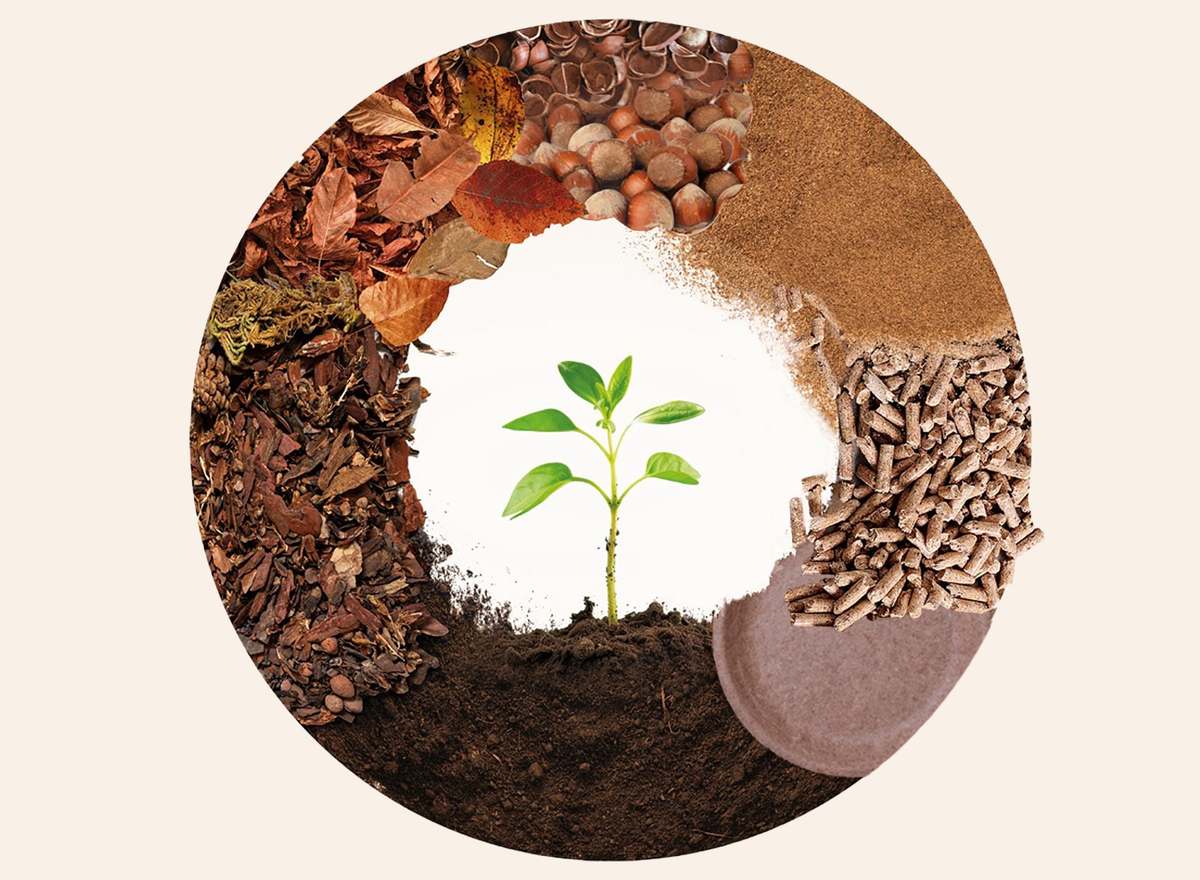 Raw Materials